Sleep
Latest Article
Explore Contents
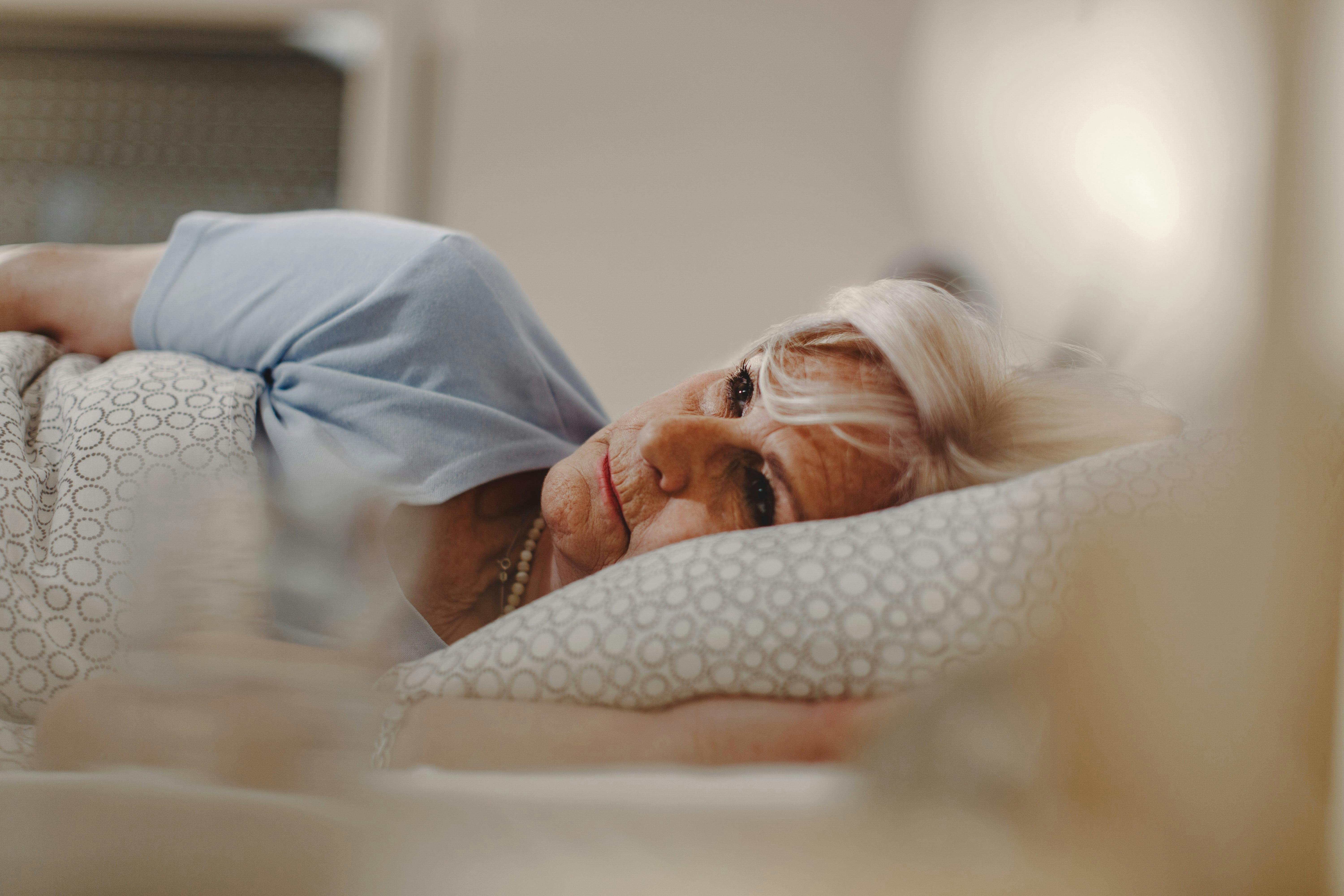
Note: A shorter version of this article appeared in Nina Ruge’s newsletter at www.stayoung.de. We highly recommend subscribing to her newsletter! Below you’ll find the full version of the article, including all academic references.
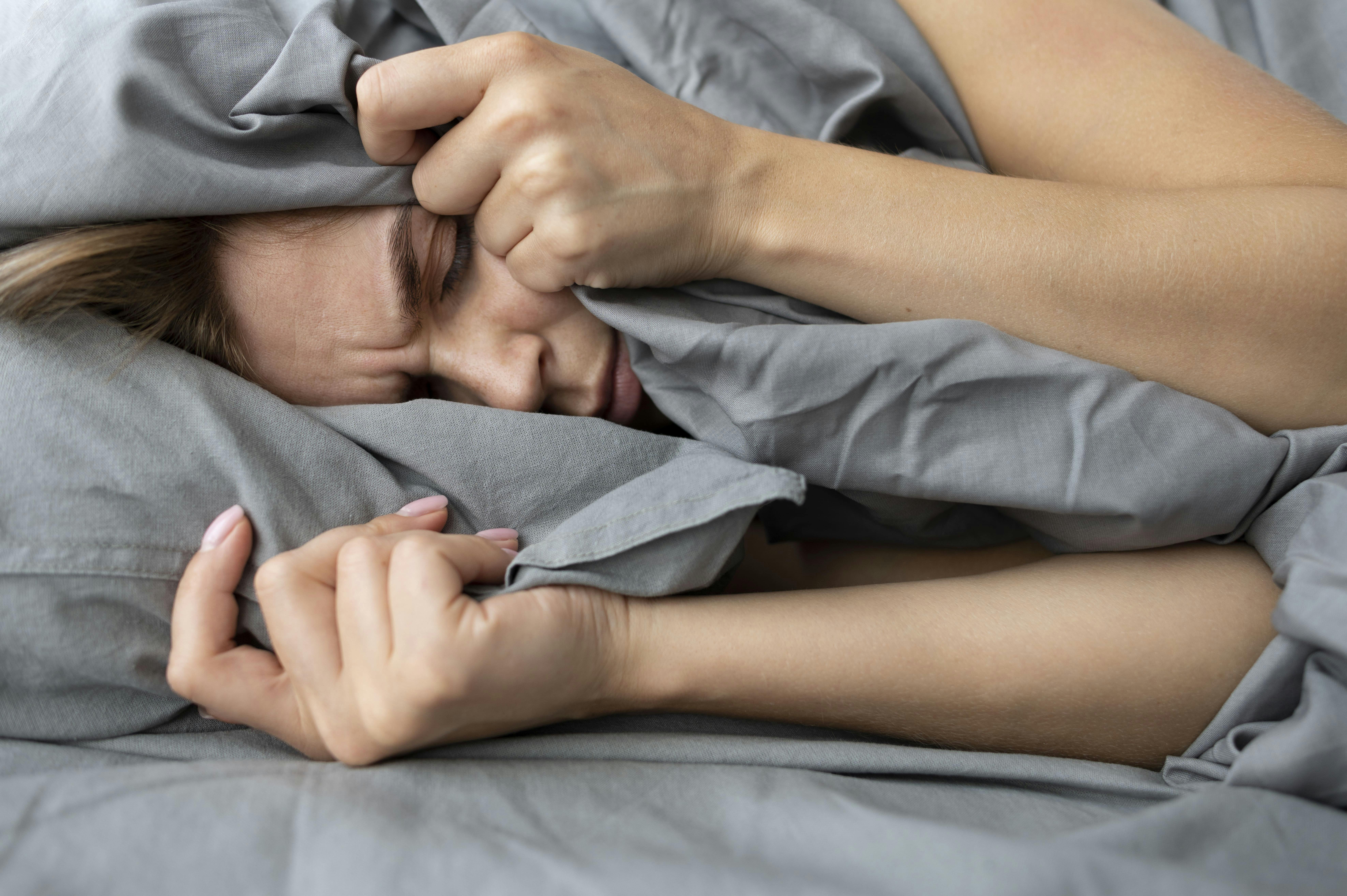
2:58 a.m. Boom—suddenly you’re awake. The room is quiet, but your mind isn’t: thoughts, to-do lists, and worries are racing through your head. And while everyone else is still asleep, you ask yourself: Why does this happen every night?
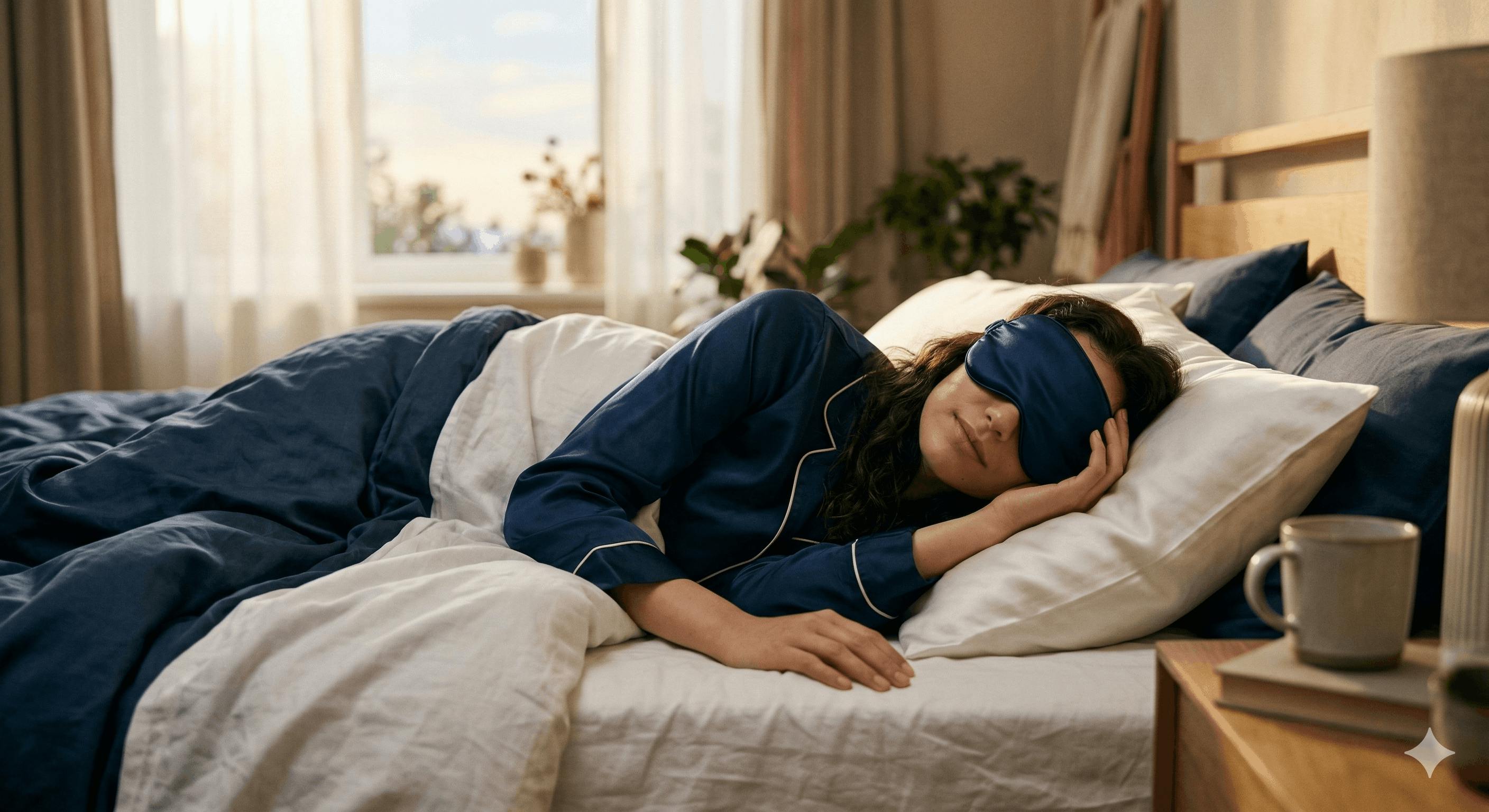
We live in a world that never really sleeps—and, above all, is never really dark. As renowned sleep researcher Matthew Walker aptly puts it: “We live in a darkness-deprived society.”
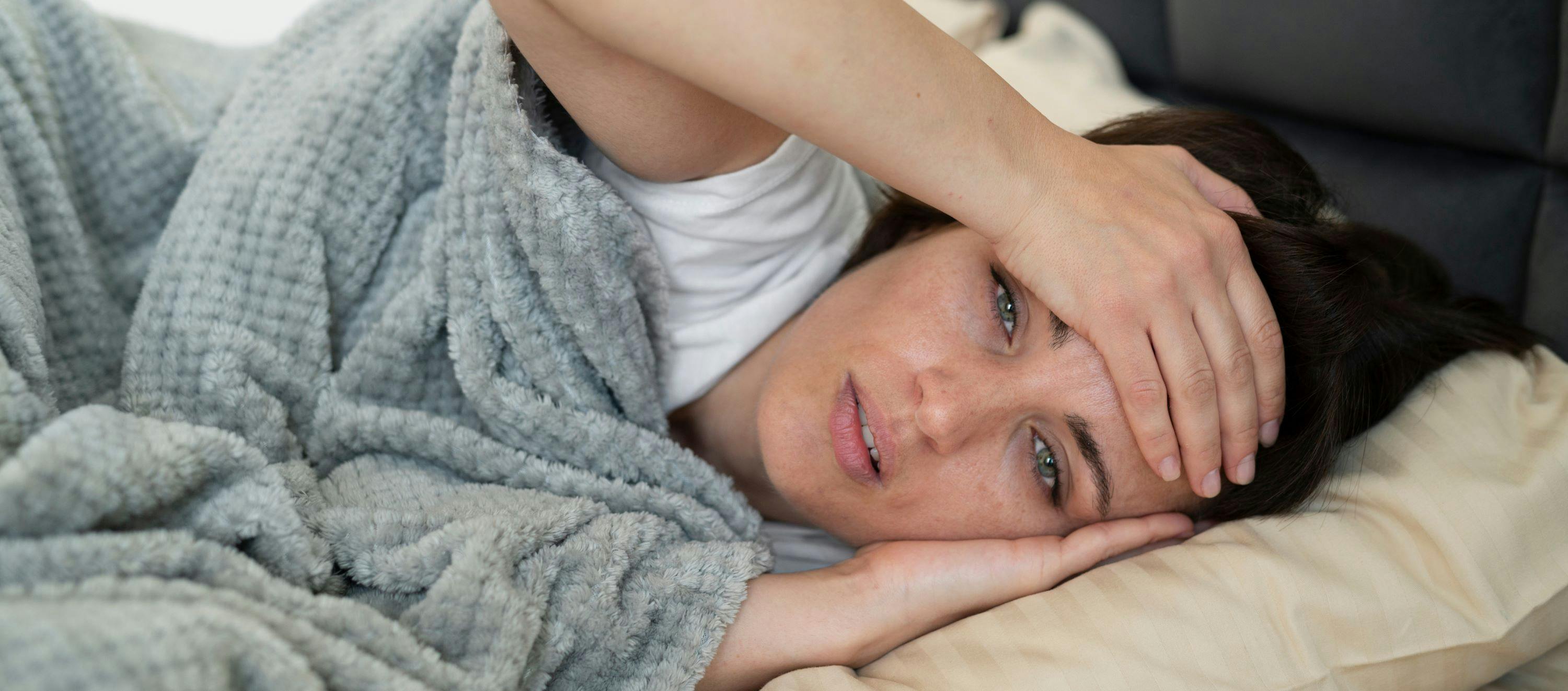
The menopausal transition brings a wave of physical and emotional changes, with sleep disruptions being among the most common complaints, affecting about 50% of women in this phase. Often, sleep issues coincide with hot flushes or other symptoms. In perimenopause—the transition period before menopause—sleep problems may start suddenly. Interestingly, women in some cultures, like Japan, report fewer sleep issues, possibly due to dietary or social differences.
